

Business Ownership Coach | Investor Financing Podcast answers one of the most practical questions entrepreneurs face when buying a business: where can the 10 percent equity injection come from for an SBA 7a acquisition, and how does that source influence approval? Below I break down the acceptable sources, lender expectations, and actionable steps you can take to strengthen your application.
How SBA 7a Equity Injection Works
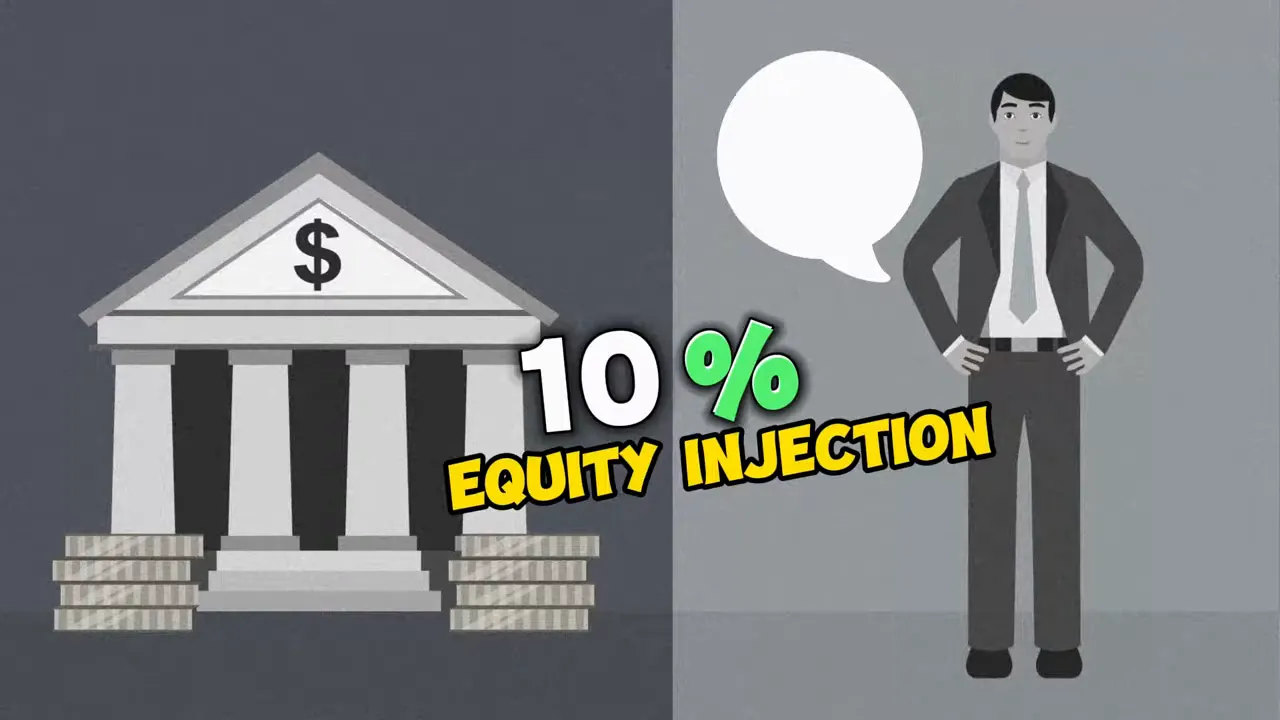
SBA 7a financing commonly allows lenders to finance up to 90 percent of the transaction costs for a business acquisition, leaving the buyer to provide a 10 percent equity injection. The SBA Standard Operating Procedures technically permit that entire 10 percent to be on seller standby—meaning the seller carries it with no payments for a set period—but most lenders apply prudent lending standards and expect a meaningful portion of that 10 percent to be real, documented cash or equivalent.
Seller carryback on full standby can be used in theory to achieve effectively 100 percent financing, but in practice banks frequently limit the amount on full standby. A common and practical structure is 5 percent cash from the buyer and 5 percent seller standby. Knowing these nuances will help you present a cleaner, more approvable package to lenders. The phrase Business Ownership Coach | Investor Financing Podcast is a reminder: understanding lender buckets matters as much as the numbers.
Common Acceptable Sources of Down Payment
Here are the most common acceptable sources of the equity injection and what to watch for:
- Seller carryback (standby) — Seller financing can be structured as full standby (no payments initially) or with interest. Lenders will often accept a portion of the equity injection as seller standby, but many will not accept the entire 10 percent on standby due to prudent lending practices.
- Personal retirement funds (ROBS) — Using a rollover for business startups (ROBS) is an option but requires careful tax and legal advice before proceeding.
- Home equity line of credit (HELOC) or equity on rental property — This is commonly used, provided you have sufficient outside income to cover the HELOC payments and it shows up cleanly on your bank statements.
- Borrowed funds — Borrowing the down payment is allowed if you can prove the additional payment burden is supported by outside income. Lenders will model the new payment when evaluating your debt service.
- Investor partner — An investor can provide the equity injection as long as they take less than 20 percent ownership in the new entity; that ensures the buyer remains the primary operator for SBA purposes.
Recent guideline changes mean that if the funds appear in your bank account and can be traced with a payer trail, many lenders no longer require a lengthy seasoning period for those funds. Still, clear documentation and sensible structure reduce friction and increase the odds of approval. Again: Business Ownership Coach | Investor Financing Podcast emphasizes documentation over guesswork.
Post-Closed Liquidity and Reserve Expectations
Photo by Vitaly Gariev on Unsplash
Lenders often want to see post-close liquidity in addition to the equity injection. What does that mean? Typically, banks look for reserves equal to six to eight months of debt service payments after closing. Some lenders translate this to an informal “10 percent of the loan amount” rule of thumb, but the underlying requirement is months of payments in reserve.
For example, on a hypothetical $1 million deal with monthly debt service near $10,000, the lender might expect six months of payments (around $60,000) to remain in the borrower’s accounts post-close. Some lenders—particularly those working with franchise startups—may bake working capital into the loan and relax reserve requirements. Each lender applies prudent lending judgment differently, which is why lender selection is a strategic decision. Keep the phrase Business Ownership Coach | Investor Financing Podcast in mind when choosing a lender who understands your deal structure.
How the Source of Down Payment Affects Approval

Photo by Sebastian Herrmann on Unsplash
The source of the down payment affects the perceived strength of the borrower and the risk profile of the transaction. Key factors lenders consider:
- Borrower strength — Credit score, business experience, and demonstrated liquidity matter. A borrower with limited experience or marginal credit who also brings no cash to the deal looks riskier.
- Deal health and cash flow — Strong historical cash flow in the acquired business can offset tighter equity contributions. A business with sustainable cash flow makes lenders more comfortable even if the buyer contributes less cash upfront.
- Debt service coverage ratio (DSCR) — The SBA minimum can be as low as 1.15 in tight cases, but most lenders prefer a DSCR around 1.3. The type of down payment and any additional payment obligations (like a HELOC) will be included in the DSCR calculation.
- Lender appetite — Portfolio banks that hold loans tend to offer better margins and are sometimes more flexible; others that sell guaranteed portions may adhere more strictly to checklist items.
Bringing documented, reliable funds and reserves improves your negotiating position. The simple reality: lenders are credit risk managers. Demonstrating liquidity, documented sources, and realistic post-close reserves reduces perceived risk. Keep the principle Business Ownership Coach | Investor Financing Podcast top of mind when assembling your package.
Practical Tips to Strengthen Your SBA 7a Application

Photo by Sebastian Herrmann on Unsplash
Use these practical moves to make approval more likely:
- Bring at least 5 percent cash whenever possible and negotiate seller standby for the balance. That split is conservative and lender-friendly.
- Document every fund source with bank statements and a payer trail. If you borrowed funds, show the loan terms and your ability to service it.
- Confirm post-close reserve requirements early with the lender. Some will accept built-in working capital rather than separate reserves; others will require six to eight months of payments.
- Consider a portfolio bank if you need margin flexibility. Portfolio lenders often price loans better because they keep the loans on their books.
- Use investor capital carefully — investors should hold less than 20 percent ownership if you want to preserve SBA eligibility for the primary buyer.
Adopt a lender-aware mindset and assemble clean documentation. The recurring theme: craft your package to make the lender comfortable. The phrase Business Ownership Coach | Investor Financing Podcast is a reminder that financing is a matching game—present the right package to the right lender.

Quick SBA 7a Down Payment Checklist
- Confirm required equity injection and negotiate seller standby if needed.
- Document the source of funds with verifiable bank statements and payer trail.
- Model your DSCR including any new payment obligations from borrowed down payment funds.
- Maintain six to eight months of post-close reserves unless the lender agrees otherwise.
- Choose a lender aligned with your deal type and risk profile (portfolio vs sell-down).
If you need tailored guidance on structuring an acquisition or deciding which lender bucket is right for your scenario, get professional advice early in the process. A smart funding strategy delivered at the right time can turn a declined application into an approval. And remember the core perspective of Business Ownership Coach | Investor Financing Podcast: clarity, documentation, and lender selection are the keys to closing.
fluconazole tablet
fluconazole tablet
remeron for anxiety
remeron for anxiety
buy allopurinol
buy allopurinol