

Hi, I’m Beau Eckstein. As the Business Ownership Coach | Investor Financing Podcast host, I help entrepreneurs translate business ideas into bankable plans. Cash flow drives SBA decisions, and in this article I’ll walk you through the exact mindset, numbers, and practical steps I use with clients to make projections that lenders will respect. If you want straightforward advice from someone who’s been in lending and consulting for over two decades, you’re in the right place.
Throughout this post I’ll share my framework for structuring projections, stress-testing assumptions, and building the narrative that turns a declined file at one institution into an approval at another. As a Business Ownership Coach | Investor Financing Podcast guide, my goal is to make projections less scary and more strategic for you.

Why cash flow is the single most important metric
Cash flow is the backbone of any SBA loan decision. Lenders aren’t buying potential; they’re buying the ability of the business to service debt. That means your projections must prove—clearly and conservatively—that operations will generate enough free cash to pay interest and principal. In practice this requires a realistic topline, defensible margins, and conservative timing for revenue ramp-up.
When preparing projections, think like a lender: what happens if revenue falls off? What if interest rates rise? Most banks will stress-test your model, and if your cash flow softens under reasonable stress scenarios, you’ll need a compelling narrative or additional collateral to bridge the gap.
How lenders stress-test projections (franchises vs. acquisitions)

Different lender appetites lead to different stress tests. For franchise startups, a common bank approach is to evaluate Year 2 performance and then apply a 25% haircut to topline revenue. They’ll also stress the interest rate by roughly one percentage point. The idea is to make sure your Year 2 still cash flows under a conservative scenario.
If you’re buying an existing business, the emphasis shifts: lenders typically want a Debt Service Coverage Ratio (DSCR) of at least 1.15. If the DSCR is below that, there are a few pathways—add-backs, real estate collateral, or a convincing value-add plan that will lift cash flow. The point is the same: your numbers must hold up under scrutiny.
Understanding Debt Service Coverage Ratio (DSCR) and add-backs
DSCR = Net Operating Income / Debt Service. Most lenders want a DSCR of 1.15 or higher on acquisitions. That means your net cash flow after operating expenses must cover loan payments by at least 15%. If your DSCR is marginal, you’ll need to document legitimate add-backs (owner’s discretionary adjustments) or show how value-add work will restore profitability.
Legitimate add-backs are not creative accounting; they are adjustments that reflect true, recurring benefits to the buyer. Examples include non-essential owner perks that won’t continue under new ownership, one-time legal expenses, or underutilized revenue channels that the new buyer intends to monetize. Documentation and a defensible rationale are essential to get lenders to accept them.

Photo by Amina Atar on Unsplash
Building a compelling story: value-add and real estate plays
Not every acquisition will meet DSCR thresholds immediately. That’s where the story matters. If you’re buying an underperforming motel that’s been in the same family for decades and you have hospitality experience plus a short-term rental portfolio, your plan might be to renovate, reposition, and increase rates. Lenders love value-add stories when they’re backed by realistic budgets, timelines, and prior experience.
Real estate in the deal helps, because it provides an additional layer of security and often a clearer path to recovery in worst-case scenarios. Projection-based approvals are more feasible with tangible plans: renovation scope, expected revenue uplift, and conservative timing assumptions.
Practical steps to build lender-ready projections
Here are concrete steps I recommend to clients when building projections:
- Start with historicals (if available): Use three years of financials where possible. Normalize for owner’s discretionary expenses.
- Be conservative on topline: For startups, build multiple scenarios and assume slower ramp-up than your best case.
- Stress-test interest rates and revenue: Apply a 1% interest-rate stress and a 20–25% revenue haircut for franchises when preparing lender-facing models.
- Document add-backs thoroughly: Provide support for each adjustment—receipts, tax lines, and a narrative explaining why these won’t continue.
- Show sensitivity tables: Lenders want to see what happens if revenue dips 10–25% or expenses rise. Include these scenarios in your package.
If you don’t enjoy building models, I work with trusted companies that build projections for clients. However, you must understand the assumptions—don’t outsource your critical thinking. Lenders will ask you questions and you should be able to explain every line.

When a deal gets turned down: why shopping banks matters
A file declined at one bank isn’t necessarily dead. Different lenders have different appetites and credit overlays. Some banks will accept more aggressive projection-based deals, while others will only underwrite to hard historicals. My job is to match the right deal to the right lender and assemble the narrative and supporting docs to justify the approval.
Sometimes the answer is to bring in more collateral, sometimes to tighten assumptions, and sometimes to find a bank that specializes in franchise startups or projection-based acquisitions. Either way, preparation and persistence often turn a “no” into a “yes.”
How I work with clients to prepare a win-ready package
In my advisory work I focus on two things: numbers and narrative. I’ll review your historicals, help build or vet projections, and craft the story lenders need to hear. If your deal requires projection-based underwriting, we’ll show Year 2 performance with conservative haircuts and interest-rate stress. If it’s an acquisition, we’ll work on credible add-backs and a realistic value-add plan.
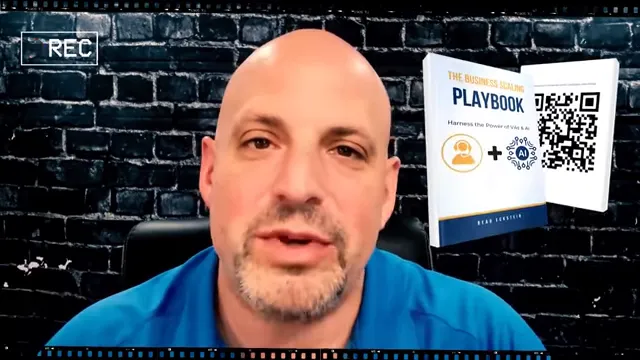
If you want a quick assessment, schedule a call at bookwithbeau.com or text (925) 940-4133. I also put together a free eBook called Biz Scaling Playbook that covers how to use virtual team members and AI to 10x production—grab it at bizscalingplaybook.com. If you’d like my help, we’ll walk through the deal and decide whether to tighten assumptions, add collateral, or approach a different lender.
Next steps: resources and how to prepare for your lender conversation

Before you walk into a lender meeting, have these items ready:
- Clean historical financials (3 years if possible), P&L, balance sheet, and tax returns.
- Projection workbook with best-case, base-case, and stress-case scenarios.
- Documentation for any add-backs you expect to include.
- A short one-page executive summary that outlines the deal, use of funds, and the ask.
- If applicable, photos, renovation plans, and pro forma showing the value-add timeline.
This preparation makes you look organized and credible. Lenders respond to clarity and conservatism—give them both.
Conclusion: make projections defensible, not optimistic
Projections win loans when they’re defensible, stress-tested, and paired with a clear story. Whether you’re a franchise startup facing a 25% revenue haircut or an acquisition needing a 1.15 DSCR, the principles are the same: be conservative, document add-backs, and show sensitivity scenarios. As your Business Ownership Coach | Investor Financing Podcast advisor, I’ll help you put the right pieces together so your file meets lender expectations.
If you want to see if your deal is viable, go to bookwithbeau.com for a free consultation or pick up the Biz Scaling Playbook at bizscalingplaybook.com. I’m happy to review your projections, explain lender expectations, and help you find the right lender for your situation. Let’s make your financing work.