
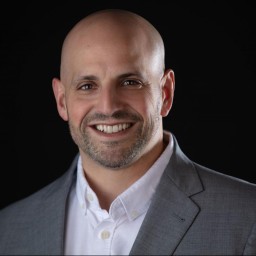

Photo by Van Tay Media on Unsplash
I'm Beau Eckstein, your Business Ownership Coach | Investor Financing Podcast host, and in this update I’m walking you through the state of SBA franchise financing as of August 2025. If you’re thinking about buying a franchise, expanding with additional territories, or simply want to understand what lenders are looking for right now, this guide lays out the practical details, lender expectations, common pitfalls and the exact documents you’ll need to move forward.
Quick market snapshot: What’s changed (and what hasn’t)

Let’s get straight to it: high-leverage SBA franchise financing — up to 90% of total project costs — is still achievable. However, lenders across the board are tightening processes. Banks are backlogged and underwriter shortages are creating friction in the approval timeline. That means your deal may take longer to close unless you come fully prepared.
As your Business Ownership Coach | Investor Financing Podcast resource, my role is to help you understand exactly what lenders will scrutinize and how to position your application so you avoid costly delays.
Why approvals are slowing down

There are a few reasons approvals are slower right now:
- Underwriter capacity: Many banks are simply understaffed in underwriting, producing a bottleneck.
- Heightened diligence: Lenders are giving closer scrutiny to individual franchise concepts — especially newer franchisors with limited operating history.
- Borrower profiles: I’m seeing many buyers with strong W-2 income and credit, but minimal liquidity. That mismatch creates more questions lenders must resolve.
Bottom line — speed depends on preparation. Present a clean, complete file and you’ll significantly reduce delays. As your Business Ownership Coach | Investor Financing Podcast advocate, I’ll say it again: preparation is the fastest path to approval.
Common borrower profile and liquidity rules of thumb

Here are practical, real-world thresholds I recommend:
- Post-close liquidity: Aim to have 10% of your total project cost still in the bank after closing. Example: if total project cost is $300,000, you should ideally still have $30,000 in liquid assets immediately after closing.
- Credit score: Target a 700 credit score. This isn’t absolute, but it’s a reliable target for many lenders.
- Credit utilization: Keep card utilization under 30%.
- SPSS score for SBA: Lenders often use the FICO-designed SPSS model (0–300). A score of 165+ on this model is commonly requested.
If you meet these criteria you’ll give underwriters fewer reasons to push back — and that means faster approvals and higher leverage opportunities from national, community and non-bank SBA lenders I work with.
ROBS and retirement funds — proceed with caution

Questions about ROBS (rollovers as business startup) come up a lot. Sometimes ROBS can make sense, but more often they complicate your financing and tax position — especially if you plan to live off the new business’s cash flow early on.
Before you use retirement funds, consult a qualified CPA and consider alternative sources. There are times when SBA lenders prefer cash on hand and clear liquidity rather than funds moved from retirement accounts.
How lenders evaluate franchise concepts in 2025

Lenders vary widely in what they require from the franchisor:
- FranData: Some SBA lenders require a strong FranData profile; others ignore it.
- Operating history: Larger panels of open corporate or franchised units help, but there are paths for emerging systems if you structure the deal right.
- Underwriter discretion: Ultimately, how a particular underwriter looks at brand risk can determine approval.
If you’re pursuing a newer franchise that’s quickly sold many territories, expect extra diligence. I’ve built relationships across funding sources that let us find lenders willing to finance these cases — but it requires a clean file, strong projections and often additional guarantees or structure.
Build a rock-solid sources & uses and projections

Here’s what I insist on before submitting a loan package:
- Sources & Uses: A detailed list showing every dollar required — franchise fee, working capital, lease buildout or deposit, equipment, insurance, and closing costs.
- Business plan: Doesn’t need to be a 100-page treatise for proven franchises, but you must supply a clear plan and realistic assumptions.
- Projections: Three years of financial projections with the first two years broken down month-by-month.
These documents are non-negotiable. The more precise you are with assumptions (rent, payroll, COGS), the easier it is for lenders to underwrite your cash flow and approve the loan faster.
Documentation checklist — what lenders will ask for
Expect a full-document loan package. Typical requirements include:
- Three years of personal tax returns.
- Business tax returns (if you own 20%+ of another business).
- Year-to-date P&L and balance sheet for existing businesses.
- Debt schedule for all business debts.
- Franchise disclosure documents and evidence of franchise relationship.
Some borrowers mistakenly think great credit and a down payment are the only things lenders want. They’re not. The complete file helps lenders make a faster decision and gets you better leverage.
Interest-only periods, rates and structure

Important structural points you should know:
- Interest-only options: Many franchise-focused SBA lenders offer an interest-only period — commonly six to nine months — which can help cash flow in startup months.
- Disbursement interest: Some lenders only charge interest on amounts actually dispersed from the working capital reserve.
- Rate structure: Loans are frequently tied to prime (around 7.5% at the time of this update) plus a margin. Margins commonly range between 1%–3%; community advantage programs can go up to 3.5% depending on loan size.
These elements affect your monthly obligations and cash flow planning. We model scenarios so you’ll know how the loan will behave in early months.
How I help — the process and fee structure

I work across national banks, community banks with national footprints, and non-bank SBA lenders to find the best fit for your transaction. Here’s how we proceed:
- Discovery call to understand your goals and verify whether the franchise is on the SBA directory.
- Build a complete sources & uses, projections, and business plan tailored to your franchisor.
- Package the file and shop it to lenders in my network for the best terms.
- Close and fund the loan with full project cost clarity.
Regarding fees: most of the banks I work with compensate referral fees so we don’t charge an upfront packaging fee. There are one or two exceptions, and I’ll always be transparent if a packaging fee applies. We never charge upfront fees without disclosure.
As your Business Ownership Coach | Investor Financing Podcast partner, my goal is to make the process predictable, fast and fair.
Who should consider franchise ownership now — and why

Not everyone needs to quit their W-2 to become a business owner. Owning a franchise can be structured as a full-time transition or as a side hustle that grows over time. The tax advantages and long-term wealth-building opportunities are real — but planning is essential.
I encourage buyers to work closely with CPAs and advisors to select a business model that matches their risk tolerance, time commitment and financial situation. As your Business Ownership Coach | Investor Financing Podcast guide, I help you map options that fit your life.
Next steps — how to get started

If you want to move forward, here’s a simple path:
- Schedule a discovery call at bookwithbeau.com so we can evaluate the franchise and outline the funding strategy.
- Gather your documentation: three years of personal tax returns, business tax returns if applicable, YTD P&L, balance sheet and a debt schedule.
- Work with us to build sources & uses and projections so lenders see a clean, investable file.
I’m committed to helping one million aspiring business owners become owners over the next ten years. If that includes you, let’s talk. As your Business Ownership Coach | Investor Financing Podcast resource, I’ll guide you to funding and ownership with clarity and transparency.