

Business Ownership Coach | Investor Financing Podcast — When you are deciding how to finance a business acquisition or a major expansion, the choice between SBA 7(a) and SBA 504 is one of the most consequential decisions you will make. Both programs are powerful, but they are built for different outcomes: speed and flexibility vs scale and structure. Below I break down the tradeoffs, explain where each product shines, and show how an advisor can help you get the loan that actually closes the deal.
Why SBA 7(a) is the Swiss Army knife for acquisitions
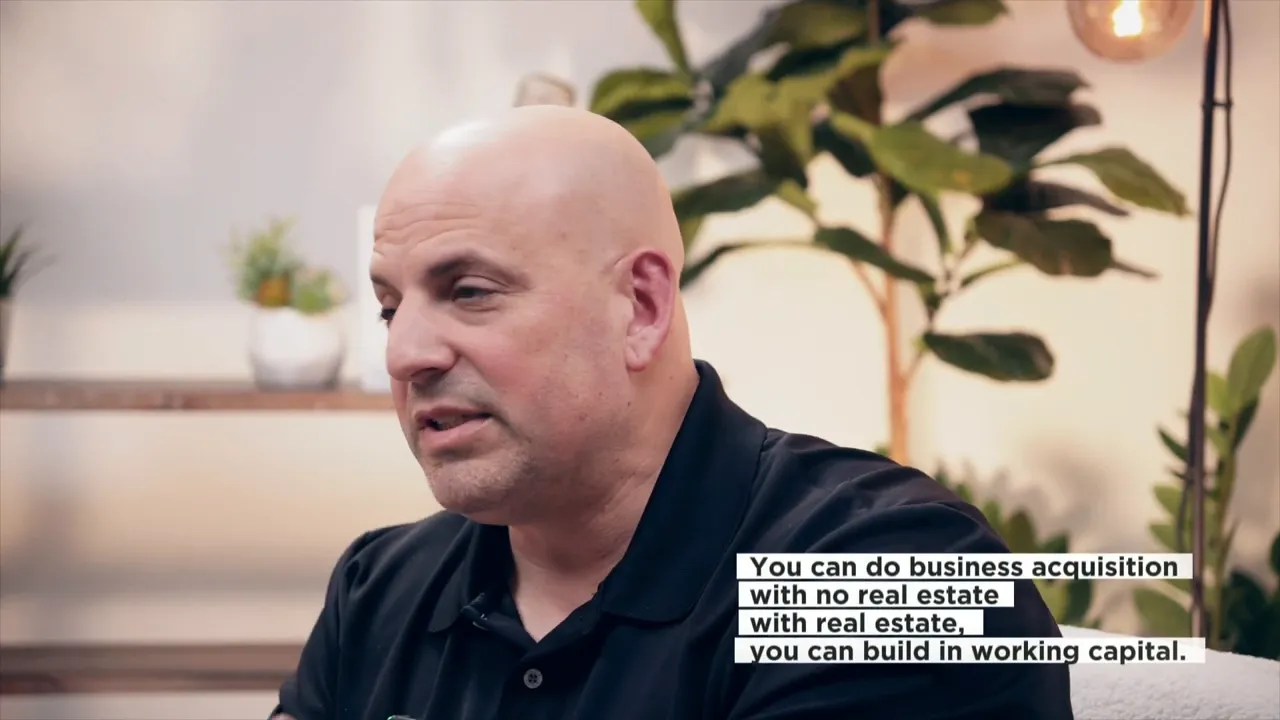
SBA 7(a) is the most flexible government-backed loan available for small business buyers and owners. You can use it for:
- Business acquisition with or without real estate
- Working capital and inventory
- Leasehold improvements and equipment
- Refinancing in some cases
The key operational advantage is speed and simplicity. If you work with a preferred SBA lender, the 7(a) goes through one underwriting process rather than two. That single-process structure often means faster decisions and fewer moving parts during closing.
When speed and versatility matter, 7(a) typically wins.
When SBA 504 makes sense: scale and long-term, low-cost real estate financing
SBA 504 is a two-loan structure that pairs a conventional first mortgage with a government-backed second lien. It was designed for larger projects and owner-occupied commercial real estate. The usual benefits include:
- Lower long-term rates on the 504 portion
- Smaller down payment for real estate-heavy deals
- Terms that favor long-lived assets like buildings and major equipment
But 504 requires two underwriting processes, and that additional complexity is the tradeoff for its scale. If you are funding a $10M–$20M purchase or a major manufacturing expansion, 504 often provides superior capital efficiency.
How recent changes and pair-pursuit strategies expand your options
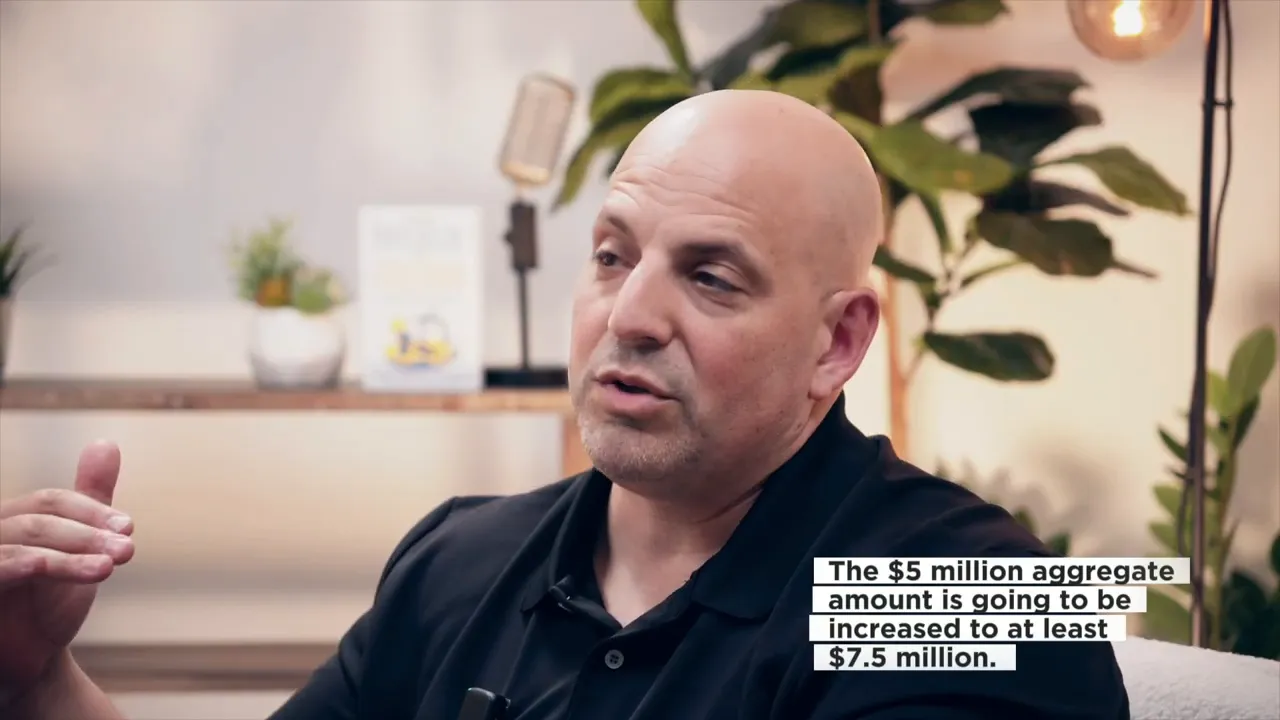
Legislation and creative structuring are changing the marketplace. For example, increases in 504 caps for certain industries mean more large-scale projects are now feasible with government-backed dollars. At the same time, pair-pursuit structures allow you to combine a sizable SBA 7(a) with a conventional senior loan to create leverage for larger acquisitions.
Practical example: suppose you need $11M to buy a business and real estate. A creative structure could be a $7.5M SBA-backed tranche paired with a $3.5M conventional senior loan. That combination unlocks transactions that previously had no good government-guaranteed path.
What a lending advisor does for you

Photo by Van Tay Media on Unsplash
Most buyers underestimate the value of a quarterback. An experienced lending advisor packages the deal, identifies the banks most likely to say yes, and navigates lender overlays. Lenders follow the same SBA rules, but each bank applies overlays and preferences differently. Knowing which bank will approve a laundromat startup versus which will pass is often the difference between closing and losing an opportunity.
Good advisors save you time, reduce risk, and often cost you nothing up front. Many advisory firms are compensated by the lender, which means you can get expert placement without an immediate fee.
Common mistakes that derail SBA financing—and how to avoid them

Photo by Amina Atar on Unsplash
Here are the pitfalls I see repeatedly:
- Going only to your local bank and assuming they are an SBA expert. They may not be a preferred SBA lender and might outsource underwriting.
- Trying one lender and giving up after a single “no.” Different banks have different appetites and overlays.
- Not structuring the deal to match lender preferences. Packaging matters—revenue trends, owner compensation, and realistic projections all affect outcomes.
- Waiting too long. If you spend months with the wrong lender, the seller can lose patience or take another offer.
A proactive approach and multiple lender options are your best defenses against these errors.
How to decide between 7(a) and 504 for your specific deal
Use this quick decision guide:
- If you need flexibility for working capital, equipment, or a business without real estate, prioritize SBA 7(a).
- If the deal is real estate heavy or very large and you need low-cost, long-term financing for property, evaluate SBA 504.
- If the purchase size exceeds standard program caps, explore pair-pursuit structures that combine SBA and conventional debt.
- Always run parallel options with multiple lenders to avoid single-lender risk.
Matching the product to the outcome you want is more important than defaulting to one program or the other.
Next steps

If you are pursuing an acquisition or major expansion, get the deal packaged and talk to lenders who specialize in SBA. Packaging includes clean financials, realistic projections, and a clear use of proceeds. The right packaging with the right lender shortens timelines and increases the chance of an approval that actually closes.
Speed, scale, and structure are the levers. Choose the tool that moves your project forward—7(a) for flexibility and speed; 504 for scale and long-term real estate financing.
If you want help mapping a strategy, consider working with an advisor who will package the loan and present it to the lenders most likely to approve your deal. That single step often changes outcomes dramatically.
Suggested link placements and placeholders
No external URLs were provided with your request. Below are recommended link placements (with placeholder URLs) you can paste real links into. Each anchor uses 1–3 words and is placed in a sentence that fits naturally at the end of the post.
-
For background on loan features: SBA 7(a)
-
For long-term real estate financing details: SBA 504
-
For structuring large deals with multiple lenders: pair-pursuit
-
To explain advisor services and placement: lending advisor
-
For guidance on preparing financials and projections: packaging
When you have the actual URLs, replace each ‘URL_HERE' with the destination link and insert the resulting anchors into the corresponding paragraphs of the article (e.g., the “Why SBA 7(a)…” paragraph, the “When SBA 504 makes sense” paragraph, the “pair-pursuit strategies” paragraph, and the advisor/packaging sections).
doxycycline nhs
doxycycline nhs
finasteride spray
finasteride spray
furosemide 40 mg price
furosemide 40 mg price
protonix 40 mg otc
protonix 40 mg otc
tadalafil tablet doses
tadalafil tablet doses
cialis tadalafil 200mg
cialis tadalafil 200mg
vidalista 60 mg reviews
vidalista 60 mg reviews
buy cenforce online usa
buy cenforce online usa
vardenafil cost australia
vardenafil cost australia
dutasteride flomax combination
dutasteride flomax combination
semaglutida comprimido preço ultrafarma
semaglutida comprimido preço ultrafarma
semaglutid tabletter pris
semaglutid tabletter pris
doxycycline hyclate dairy products
doxycycline hyclate dairy products
cialis generico
cialis generico
minoxidil sperm
minoxidil sperm
terbinafine nail fungus medical overview
terbinafine nail fungus medical overview
toradol short term administration guide
toradol short term administration guide
ivermectin clinical summary
ivermectin clinical summary
ivermectin reference FAQ
ivermectin reference FAQ
ivermectin safety medical insights
ivermectin safety medical insights
minoxidil foam vs liquid full comparison
minoxidil foam vs liquid full comparison
sildenafil heavy meal interaction
sildenafil heavy meal interaction
avanafil side effect summary
avanafil side effect summary
Tmax Peak
Tmax Peak
Avanafil vs Sildenafil Guide
Avanafil vs Sildenafil Guide