

I'm Beau Eckstein, a Business Ownership Coach and the host of the Investor Financing Podcast. In this post I'll walk you through SBA startup financing the way I explain it on the show — simple, practical, and focused on getting you from idea to funded business. If you've been wondering whether you can fund your first franchise or launch a business without draining your savings, stick with me: this guide lays out what lenders look for, what you need to prepare, and how you can increase your odds of approval.

What is SBA Startup Financing?
SBA startup financing is a way to fund a new business venture — and yes, that includes both opening a franchise location and starting an original business from scratch. When I say “startup” in this context, I mean a business that is new in your market. That could be an established franchise you're bringing to your city, or it could be a wholly original idea like a specialty driving school you want to launch.
What makes SBA startup loans different from other business loans is twofold: the government-backed guarantee and the flexibility to finance a significant portion of the project, including working capital. Because the Small Business Administration guarantees a portion of the loan, lenders are more willing to take on the perceived risk of a new business — provided the borrower prepares the right documentation and demonstrates realistic planning.
Can First-Time Entrepreneurs Qualify?
Short answer: absolutely. You don’t need decades of ownership experience to qualify for SBA startup loans. What you do need is a solid package that demonstrates you’re a reliable borrower and that your plan is realistic.
What lenders look for from first-time owners:
- Transferable experience or relevant skills. You don’t have to have run a driving school to open one — but if you managed teams or have relevant industry exposure, highlight it.
- A strong personal financial picture: good credit, recent tax returns, and a clear source for the down payment.
- Outside income to support personal obligations while the business ramps up. Lenders want to see you can manage your household and loan payments during the early months.
- A convincing business plan and realistic projections.
Documents and Requirements: What to Prepare
Preparing the right materials is half the battle. Here's a practical checklist that will put you in a position to present a loan package to a lender:
- Business plan — clear and concise. It doesn’t have to be 30 pages. It must explain what you’re doing, how you’ll do it, who your customers are, pricing, marketing strategy, competitive advantages, and a basic operating plan.
- Financial projections — build two years of month-by-month projections. Be specific: month 1 = X customers, average ticket = $Y, fixed and variable costs = $Z.
- Personal financial statement (Form 413) — lenders need to see where your down payment is coming from and what personal liquidity remains after that contribution.
- Three years of personal tax returns, recent W-2s, and a copy of your driver’s license.
- Sources and uses statement — a line-item breakdown of startup costs and working capital needs.
Typically, SBA lending programs will allow you to finance 80–90% of the total project cost, which means you should plan to put down about 10–20% from personal funds or acceptable sources. Showing that you still have some reserves after your down payment reassures underwriters that you can handle unexpected expenses.

How to Build a Business Plan and Projections (Quick Wins)
One of the biggest psychological barriers people face is the business plan. They hear “plan” and imagine an overwhelming document. In reality, an underwriter needs clarity more than volume. They’re drinking their coffee, scanning your plan, and asking: do I understand this business?
Make your plan readable:
- Start with a one-paragraph executive summary.
- Include simple bullets for your marketing and sales approach.
- Spell out your pricing and competitive advantages.
- Attach appendices for detailed assumptions and spreadsheets.
Pro tip: templates and AI prompts can speed this up dramatically. If you can list key points, you can generate a strong draft fast — then refine it to match lender expectations.

How the SBA Loan Process Works (From Front-End to Closing)
My role as a loan broker and franchise advisor is front-end heavy. I help you assemble a compelling package and find the lender that will understand your deal. The process typically looks like this:
- Prepare your package (business plan, projections, personal financials).
- We present to multiple lenders — banks, credit unions, and non-bank SBA lenders.
- We receive term sheets. You pick the offer that fits your goals and sign the term sheet.
- Once you sign, the bank’s processor and underwriting teams take over. From there it’s a paperwork game: clear, methodical responses and supporting docs get you to close.
Some lenders do not fund non-franchised startups, which is why it’s important to work with someone who knows which banks will consider your specific business type. If hurdles come up, I stay involved to keep the file moving toward approval.
Common Mistakes and How to Avoid Them
The most common mistake? Not starting. People hear “business plan” and freeze. Others assume they need decades of experience or full savings to begin. Neither is true.
Avoid these traps:
- Don’t skip the business plan. Use templates and mentors (SCORE.org is a great free resource) to get it done.
- Don’t assume every bank funds the same deals. Target your lender to your opportunity.
- Don’t misrepresent your cash position. Transparency on down payment and reserves is crucial.
Resources, Next Steps, and How I Can Help
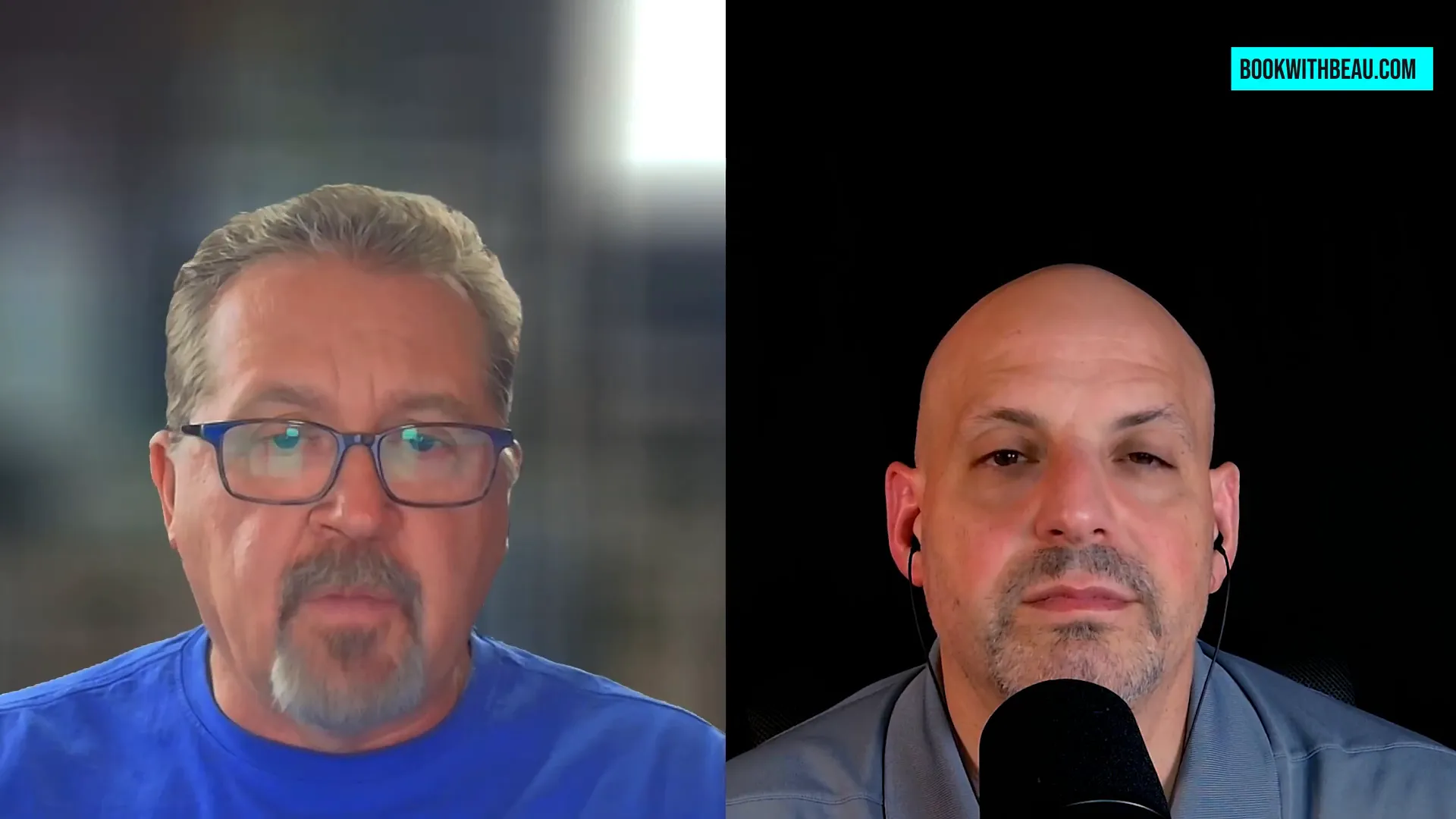
If you're serious about owning your first business but don’t want to waste time guessing, get help from someone who lives and breathes this world. I work with entrepreneurs to:
- Choose between starting from scratch, buying a franchise, or acquiring an existing business.
- Build a lender-ready package quickly and accurately.
- Identify the right lender and negotiate the best possible term sheet.
To take the next step, you can book a discovery call with me at bookwithbeau.com. If you want hands-on help writing your plan and building projections, I’ll walk you through our templates on Zoom and show you how to present a package that an underwriter can confidently say “yes” to.
And remember: being a Business Ownership Coach | Investor Financing Podcast host means I see this playbook work, again and again. If you prepare, present a clear plan, and partner with the right lender, SBA startup financing is an achievable path to business ownership.
Final Thoughts

Starting a business isn’t about having a perfect resume or unlimited cash — it’s about preparation, realistic projections, and the willingness to get started. If you can put together a simple business plan, credible projections, a reasonable down payment, and demonstrate stable personal finances, you have a shot at SBA startup financing.
If you’d like direct help, book a call and let’s put a plan together. As a Business Ownership Coach | Investor Financing Podcast host, I’m committed to helping everyday professionals become business owners — and I’ve done it for hundreds of clients. Your idea can become a reality with the right plan and the right lender.